Frequently Asked Questions
Invest in your future with flexible, affordable training Earn your state-certified CDL and start driving sooner.
frequently asked questions
How to Get a CDL
What are the requirements to get a Class A CDL?
To obtain a Class A Commercial Driver’s License (CDL), you must:
- Be at least 18 years old to drive within your state (intrastate)
- Be 21 years old to drive across state lines (interstate)
- Hold a valid driver’s license
- Obtain a Commercial Learner’s Permit (CLP)
- Complete Entry Level Driver Training (ELDT) from an approved provider
- Pass the CDL skills test
Requirements can vary slightly by state, so students should always confirm requirements with their local motor vehicle department.
What is a Commercial Learner’s Permit (CLP)?
A Commercial Learner’s Permit (CLP) allows you to legally practice driving a commercial vehicle with a qualified CDL holder before taking the CDL skills test. To obtain a CLP, you must pass the required CDL written knowledge tests.
How long does it take to get a CDL?
The timeline varies depending on the student’s motivation and existing obligations.
- CDL permit preparation (Varies, depending on study habits)
- ELDT theory training (Online course, average 9 hours)
- Behind-the-wheel (BTW) CDL training (8 days or less)
- CDL skills testing (Typically 1 -3 days after BTW training, 1.5 hours)
What documents do I need when applying for a CDL permit?
Most states require the following documents:
- Current driver’s license
- Birth certificate or passport
- Social Security number
- Proof of residency
- DOT medical certificate
Check with your local DMV or licensing agency for specific requirements.
Or call our campus coordinators for help
Do I need a DOT physical to get a CDL?
In most states, you must complete a Department of Transportation (DOT) medical examination before applying for your CDL or Commercial Learner’s Permit (CLP). The exam must be performed by a certified medical examiner listed on the National Registry of Certified Medical Examiners. https://nationalregistry.fmcsa.dot.gov/home
Some states allow students to obtain their CDL permit first and require the DOT medical certificate before issuing the CDL.
Because requirements vary by state, it is important to check with your local motor vehicle department to confirm when the DOT medical certificate is required.
However, we strongly recommend completing your DOT physical before applying for your CDL permit. Doing so ensures that you are medically cleared and safe to operate a Commercial Motor Vehicle (CMV) and helps prevent delays later in the CDL training process.
What is the difference between Class A, Class B, and Class C CDL licenses?
Class A CDL
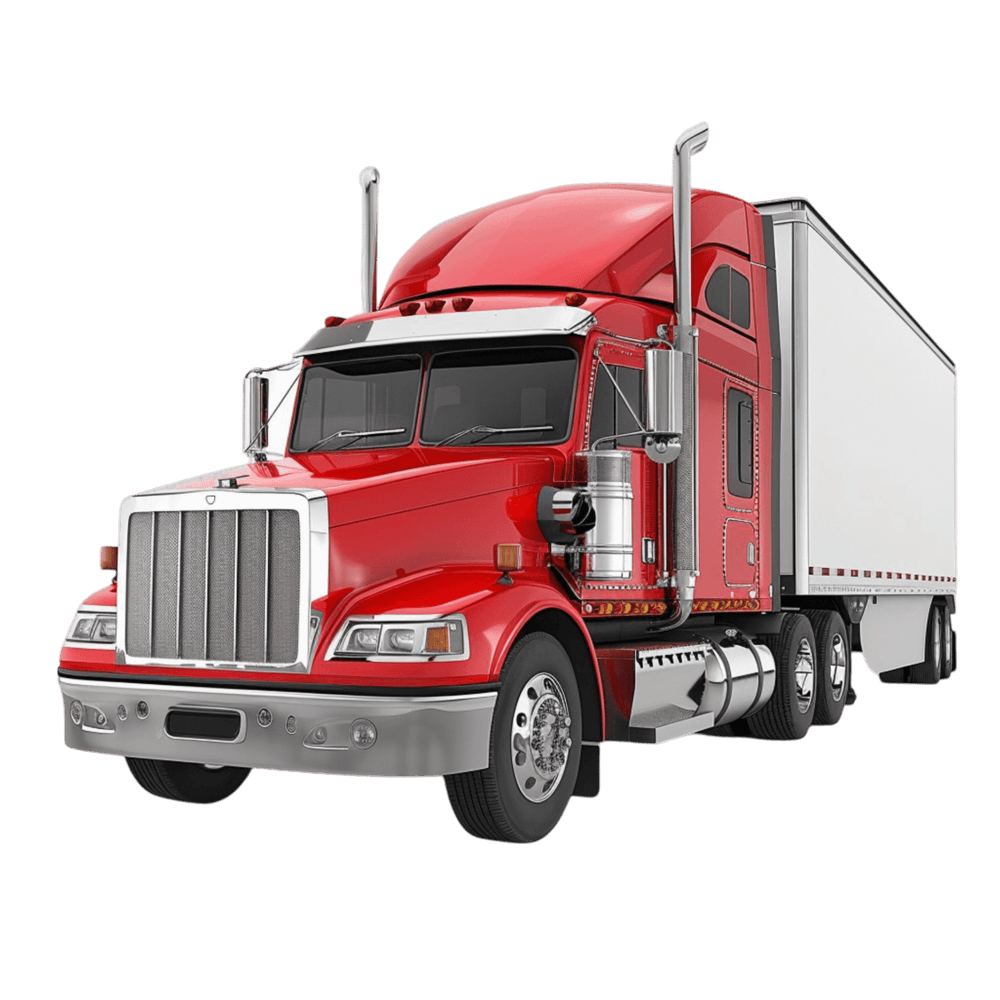
Allows drivers to operate combination vehicles such as tractor-trailers where the trailer exceeds 10,000 pounds.
Class B CDL
Used for heavy single vehicles such as dump trucks, straight trucks, and buses.
Class C CDL
Used for smaller commercial vehicles carrying passengers or hazardous materials.
Can I get a CDL without going to truck driving school?
Federal regulations now require new CDL drivers to complete Entry Level Driver Training (ELDT) through a Registered Training Provider before taking the CDL skills test.
This training includes both ELDT theory instruction and behind-the-wheel training that prepares students to safely operate a commercial motor vehicle.
Idaho CDL Training / Impact CDL Training is a certified and licensed Registered Training Provider, which means we provide the federally required training needed for students to complete their CDL training and become eligible to take the CDL skills test.
What are CDL endorsements?
CDL endorsements allow drivers to operate specialized commercial vehicles or transport specific types of cargo.
What are the most common CDL endorsements?
Tanker (N)
Required to transport liquids in tank vehicles.
Hazardous Materials (H)
Required for transporting hazardous materials and requires a background check.
Doubles/Triples (T)
Allows drivers to pull multiple trailers.
Passenger (P)
Required to operate vehicles transporting passengers.
School Bus (S)
Required to drive school buses.
CDL Permit & Written Tests
What written tests are required for a Class A CDL permit?
Most Class A CDL applicants must pass the following written tests:
- General Knowledge
- Combination Vehicles
- Air Brakes
Some states may also require additional state-specific tests.
How do I study for the CDL permit test?
Students should study the state CDL manual and may use online study tools and practice tests. Many students also complete online ELDT theory training programs, such as cdlonline.com, to prepare for the written tests.
How many questions are on the CDL permit tests?
The CDL permit exam is made up of separate knowledge tests, and the number of questions depends on which tests you are required to take.
Most Class A CDL applicants must pass the following:
- General Knowledge Test — 50 questions
- Air Brakes Test — 25 questions
- Combination Vehicles Test — 20 questions
This means many Class A CDL applicants answer about 95 questions total if all three tests are required.
Each test requires a minimum passing score of 80%. For example:
- General Knowledge: 40 correct answers to pass
- Air Brakes: 20 correct answers to pass
- Combination Vehicles: 16 correct answers to pass
Some states may have additional state-specific tests, and endorsement tests (such as Hazmat, Tanker, or Doubles/Triples) require separate written exams.
Students should always check their state CDL manual or DMV website for exact testing requirements.
What score do I need to pass the CDL written tests?
Most states require a minimum passing score of 80% on CDL knowledge tests.
What happens if I fail a CDL written test?
Students can usually retake the written tests. Waiting periods and limits vary by state.
Example:
Texas
- Three attempts allowed
- 24-hour waiting period before retesting
- After three failures, you must reapply and repay fees
Idaho
- No limit on attempts
- Three-day waiting period before retesting
California
- Three attempts allowed
- 24-hour waiting period before retesting
- After three failures, you must reapply and repay fees
Can I take the CDL permit test online?
No. All states require CDL permit (Commercial Learner’s Permit) tests to be taken in person at your local DMV or state licensing agency.
Applicants must bring the required identification and application documents when applying for a CDL permit. These typically include a valid driver’s license, proof of identity, Social Security number, proof of residency, and a DOT medical certificate if required by the state.
While the actual permit tests must be completed in person, students can prepare for the exams using online study materials, practice tests, and ELDT theory training programs before visiting the DMV.
CDL Training & ELDT Requirements
What is Entry Level Driver Training (ELDT)?
Entry Level Driver Training (ELDT) is a federal training requirement established by the Federal Motor Carrier Safety Administration (FMCSA) for new CDL drivers.
Students must complete both ELDT theory training and behind-the-wheel training before taking the CDL skills test.
What does CDL training include?
At Idaho CDL Training / Impact CDL Training, we follow all federal and state regulations for CDL training. Students must meet the required federal proficiency standards during training before becoming eligible to take the CDL skills test.
Our training program includes the following components:
ELDT Theory Training
Students complete Entry Level Driver Training (ELDT) theory instruction, which covers federal safety regulations, vehicle systems, safe driving practices, cargo handling, and other CDL knowledge topics required by the Federal Motor Carrier Safety Administration (FMCSA).
Vehicle Inspection Training
Students learn how to properly perform a pre-trip vehicle inspection, which is a required portion of the CDL skills test.
Behind-the-Wheel (BTW) Training
Behind-the-wheel training is divided into two segments and must be documented by the training provider.
Range Training
Conducted on a controlled training range where students practice vehicle inspections, backing maneuvers (straight line, offset, and alley dock), and coupling and uncoupling procedures for combination vehicles.
Public Road Training
Real-world driving instruction that includes turns, lane changes, curves, intersections, and highway driving.
Federal regulations do not require a specific number of training hours. Instead, students must demonstrate proficiency in all required training topics before becoming eligible to take the CDL skills test. Individual states may also impose additional requirements.
Can ELDT theory training be completed online?
Yes. ELDT theory training can be completed online through approved providers.
Programs like cdlonline.com allow students to complete the required theory training and automatically report completion to the FMCSA Training Provider Registry.
What is the FMCSA Training Provider Registry?
The Training Provider Registry (TPR) is a federal database that tracks completion of required CDL training. Students must have their ELDT training recorded in the registry before scheduling the CDL skills test.
How can I check my Driver Training Record?
You can verify your ELDT training record through the FMCSA Training Provider Registry.
Check here:
https://tpr.fmcsa.dot.gov/Check
Is Truckers Against Trafficking training required?
Many states require Truckers Against Trafficking (TAT) training as part of CDL education.
The course teaches drivers how to recognize and report human trafficking. The course is free and is included with the ELDT theory training through cdlonline.com.
CDL Jobs & Career Opportunities
What jobs can you get with a Class A CDL?
A Class A CDL can open the door to careers across many industries that rely on commercial drivers to move goods, materials, and equipment.
Common CDL careers include:
- Long-haul (OTR) truck driver – transporting freight across multiple states
- Regional or local delivery driver – delivering goods within a specific area
- Construction equipment and material transport – hauling heavy equipment and building materials
- Fuel or tanker driver – transporting fuel, liquids, or hazardous materials
- Agricultural transport driver – hauling crops, livestock, or farm supplies
- Government and public works driver – operating vehicles for city or county services
- Waste and recycling driver – operating garbage or roll-off trucks
- Utility and lineman support driver – operating service trucks for power and infrastructure crews
A CDL can lead to stable, in-demand careers across the transportation, construction, energy, and public service industries.
How much do CDL drivers make?
CDL driver pay varies depending on experience, job type, and location.
Entry-level drivers often earn $50,000–$70,000 per year, while experienced drivers and specialized positions can earn $80,000 or more.
What is the difference between local, regional, and over-the-road trucking?
Local Driving
Drivers usually return home daily.
Regional Driving
Drivers operate within a specific geographic region and may be home weekly.
Over-the-Road (OTR) Driving
Drivers travel long distances across multiple states.
Are CDL drivers in demand?
Yes. The transportation industry consistently needs qualified CDL drivers to move goods, materials, and equipment throughout the country.
NLC Student Training Support
Do age and residency affect how I get my CDL while attending training?
Yes. CDL licensing steps may vary depending on:
- Your age
- The state where you currently hold a driver’s license
- The state where you plan to train or test
Students should contact their campus coordinator before beginning training.
What documents are required to transfer my driver’s license?
Texas (Denton Campus)
- Current driver’s license
- Birth certificate or passport
- Social Security card
- Two proofs of Texas residency
Idaho (Meridian Campus)
- Current driver’s license
- Birth certificate
- Social Security number
- One proof of Idaho residency
California (Oroville Campus)
- Current driver’s license
- Birth certificate or passport
- Social Security card
- Two proofs of California residency
Where do I complete my CLP testing?
Texas
Department of Public Safety (DPS)
Idaho
Idaho Transportation Department (ITD / DMV)
California
California DMV
Do I need an appointment for CLP testing?
Texas
Most services require appointments.
Idaho
Walk-ins are typically accepted.
California
Walk-ins are typically accepted.
What should I bring on my first day of CDL training?
Students should bring:
- Valid driver’s license
- CDL permit
Your campus coordinator will provide specific instructions before training begins.
Entry Level Driver Training (ELDT) Q&A
Who is required to be compliant with ELDT?
Anyone with a permit dated Feb 7th 2022 or later. If your permit is dated prior to that date then you are exempt
What are the new requirements for ELDT?
New applicants as of Feb 7th 2022 must meet the minimum ELDT training curriculum requirements for training which includes Theory (classroom) training and Hands-On Training. We utilize an ELDT online theory course that is registered and compliant with ELDT to satisfy the Theory training. Work though the online ELDT training course at your own pace on your own schedule, and even take a CDL practice test at cdlonline.com. This is an ELDT training online provider. All of our Behind the Wheel training courses are also compliant with ELDT. CDL Online also has a cdl practice test online you can try. Have questions about the online ELDT courses? Contact us!
Is it harder to get a ELDT CDL with the new requirements?
Prior to Feb 7th 2022 an individual could do the written testing for their permit and do the skills testing for their license without formal training. Many people learned on the job or got training from a friend. Moving forward, the institution doing the training must be listed on the Training Provider Registry (TPR). You’ll need to find an official ELDT training provider. Completing these programs through a registered provider certifies your readiness to test at the DMV. Skills tests can’t be scheduled if you have not completed a Theory course and Behind the Wheel course through a registered provider. Your completion results in an official ELDT certification.
Do you need to complete your ELDT Theory Course before obtaining your CLP?
No, you do not need to complete the Entry-Level Driver Training (ELDT) Theory Course before obtaining your Commercial Learner’s Permit (CLP) federally. However, some states may require it as a prerequisite of the ELDT curriculum. The ELDT Theory Course is mandatory before the skills testing and helps prepare for the permit test, but it can be completed after obtaining the permit.
Is there a minimum time requirement for behind-the-wheel training?
No, there is no federally mandated minimum time requirement for behind-the-wheel training. The requirement is based on proficiency that meets federal standards. However, some states may have their own minimum hours requirements for behind-the-wheel training.
How much does ELDT training (Entry-Level Driver Training) cost?
ELDT training costs can vary. Prices can change depending on whether it’s an in-person or ELDT online course. If you’re interested in a convenient option, our ELDT online CDL course meets federal requirements at a competitive cost. You can reach out to us if you’re looking for an exact price for the training you require. How long is ELDT training online? You can work at your own pace by going the online ELDT training route, with automatic reporting. You can also take a CDL practice test online on this website. Visit CDLonline.com for more information and cost details.
How long is ELDT training?
ELDT is proficiency based, so there’s not an answer to this question that fits everyone. On the federal level there is no minimum requirement for hours. Some states require minimum hours like CA and WA. Idaho does not. Our online personalized programs allow students to do more hands-on hours in less days than a traditional school. Contact us if you have more questions about how long our training might take you.
Does this behind-the-wheel training program follow federal requirements for the ELDT curriculum?
This training program fulfills your requirements to complete behind-the-wheel training and prepares you for your skills test. It adheres to the ELDT curriculum set by federal regulations. However, you are still required to complete ELDT theory courses.
Is there an online ELDT course available?
You are allowed to take your ELDT theory courses online. That is why we partner with CDLOnline.com, which offers online ELDT courses. Their ELDT online course provides ELDT training online to get yourself an ELDT certificate. Visit www.cdlonline.com to explore the online options and get info on ELDT online training cost.
Should I take the courses for ELDT training online or in-person?
Either one. You can take your ELDT theory courses in person in a classroom or you can take them online, as long as they’re part of a compliant school. Both in-person and online training programs cover the required curriculum, as long as they meet FMCSA standards. There are several factors to consider. Online ELDT courses offer more flexibility, since ELDT CDL online programs can be taken at your own pace from any location. With online ELDT courses, you’ll be able to balance your other responsibilities while taking them. The ELDT online training cost can vary depending on the school. Our online CDL course meets federal requirements at a competitive cost.
It’s also important to consider how long is ELDT CDL training in person versus online. This can also vary depending on the school. In Idaho there is no minimum requirement for hours, but our personalized programs allow students to do more hands-on hours in less days than a traditional school.
Overall, ELDT online courses and training suits self-paced learners and offers more flexibility, while in-person offers face-to-face instruction. You can choose our online ELDT training courses for flexibility, paired with our behind the wheel training program, or you can do ELDT training all in person at a local trucking school.
How much does CDL ELDT online training cost?
The cost of online ELDT training can vary depending on the provider. Online ELDT courses can range from $25 to $600. Some online ELDT training providers offer bundled packages or free training with other ELDT courses.
Not all online ELDT courses are created equal. We vetted online programs in order to offer a quality product with excellent customer service and no nickel and dime games. As a result, we’ve partnered with CDLOnline.com, which offers affordable ELDT CDL online courses for as low as $60, with some free courses available. Visit https://www.cdlonline.com/ to learn more about how much ELDT online training costs.
What courses are available with the online ELDT training?
CDLOnline.com offers a variety of online ELDT courses, from CDL theory to endorsement preparation courses. These ELDT online training courses include Class A, Class B, Hazmat, School Bus, Passenger, and even a free Truckers Against Trafficking course, which is recommended ELDT curriculum since it is required in many states. These online ELDT courses are designed to help students meet federal training requirements before taking CDL exams. To browse the selection of ELDT training online courses available at CDL Online, visit https://www.cdlonline.com/courses. Each course includes pricing information and a short overview to help students compare options and better understand the potential ELDT training costs for their chosen career path.
Is Idaho CDL Training on the list of registered ELDT training providers?
Yes, Idaho CDL Training is on the list of registered ELDT training providers with FMCSA on the Training Provider Registry.
What is the required CDL ELDT curriculum?
The ELDT curriculum varies depending on whether you need a Class A or Class B license, and whether you need a passenger, school bus, or hazardous materials endorsement. Each curriculum has different theory and behind-the-wheel requirements. FMCSA stipulates what is taught and included in the curriculum. Our courses follow the required ELDT curriculum as stipulated by the FMCSA.
Will my CDL ELDT certificate expire?
No, your ELDT certificate does not expire once your training is completed and your ELDT certificate has been issued. Your ELDT training, however, does expire if not completed within a certain time period. Your Theory and Behind the Wheel training have to be completed within 1 year of each other. If not then you will have to redo your Theory training before you can receive your ELDT certificate.
Have more questions about entry level driving training?
If you have more questions for us about ELDT training and ELDT curriculum, please reach out to us! We’re a registered ELDT training provider, and our team would love to answer your ELDT online course questions.
Ready to Get
Started?
Your new career on the road is just one step away. Take control of your future with confidence and skill. Start your CDL journey today and drive toward success.